Introducing Solid Foods and Allergen Prevention
8 July 2025 · 2 min read
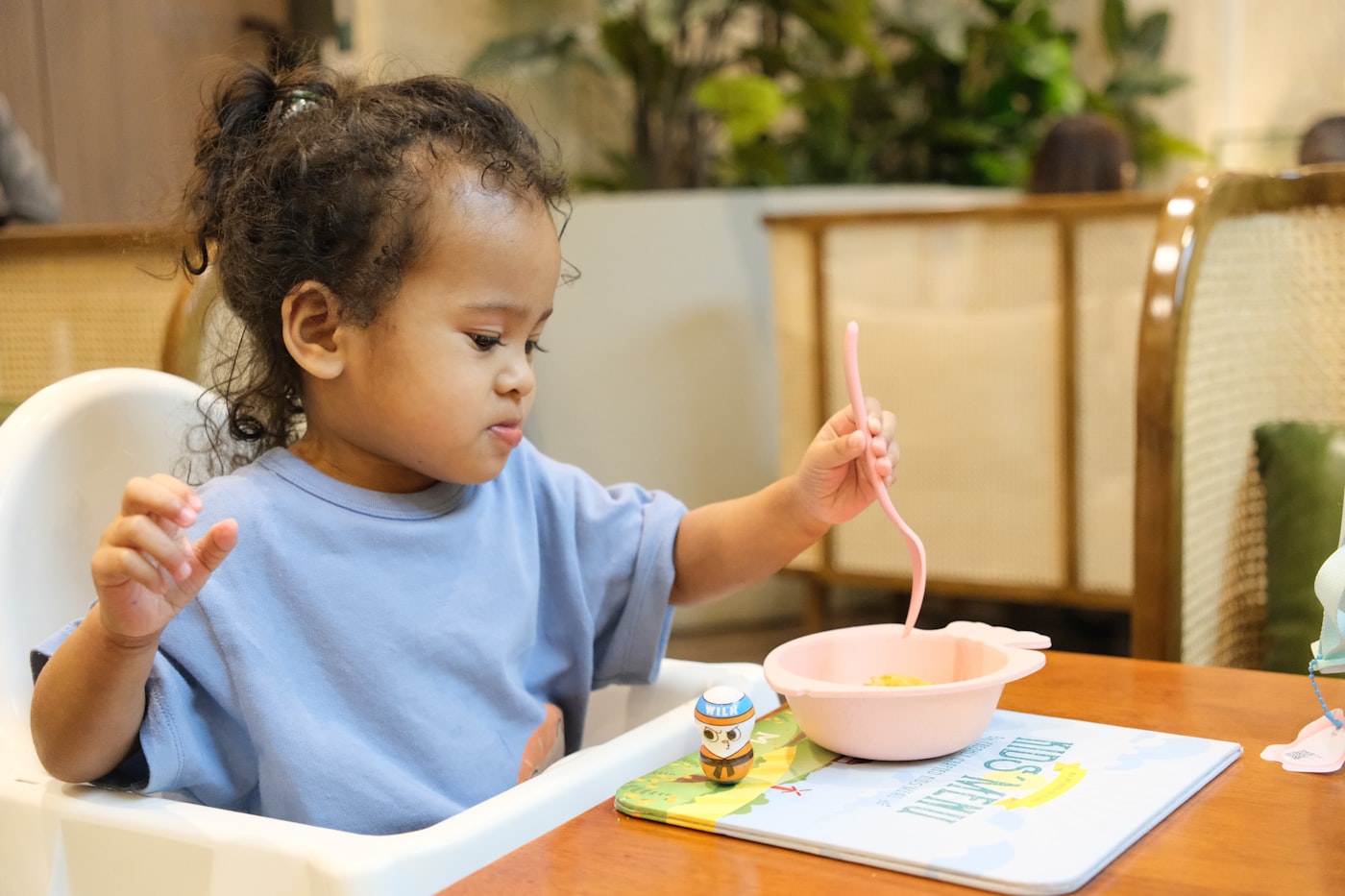
Introducing solid foods is a major milestone in your baby’s first year, supporting growth, development, and healthy eating habits. It’s also a critical window for reducing the risk of food allergies through careful, timely introduction of common allergens.
When to Start Solids
Most babies are ready to start solid foods around 6 months of age. Signs of readiness include:
Good head and neck control
Sitting with minimal support
Showing interest in food (reaching, opening mouth)
Losing the tongue-thrust reflex (not pushing food out with the tongue)
Breast milk or formula should remain the primary source of nutrition until 12 months, with solids introduced as complementary foods.
How to Introduce Solid Foods
Start Simple: Begin with single-ingredient, iron-rich foods like iron-fortified baby cereals, pureed meats, or lentils.
One at a Time: Introduce new foods one at a time, waiting 2–3 days before adding another. This helps identify any potential allergic reactions.
Texture Progression: Start with smooth purees, then gradually offer mashed, soft lumps, and finger foods as your baby develops chewing skills.
Variety: Offer a wide range of fruits, vegetables, grains, and proteins to encourage acceptance of diverse flavors and nutrients.
Allergen Prevention: Current Best Practices
Recent research shows that early introduction of common allergens can help reduce the risk of developing food allergies. This is a shift from older advice to delay allergens.
Key Guidelines
Introduce Allergens Early: Offer common allergenic foods (peanut, egg, dairy, wheat, soy, fish, sesame, tree nuts, shellfish) starting around 6 months, once a few other solids are tolerated.
Frequency Matters: After introducing an allergen, continue offering it regularly (e.g., several times a week) to maintain tolerance.
Start with Small Amounts: Begin with a tiny taste, then gradually increase the quantity if there is no reaction.
High-Risk Infants: For babies with severe eczema, existing food allergies, or a family history of allergies, consult your pediatrician before introducing allergens. Some may benefit from allergy testing or supervised introduction.
Signs of an Allergic Reaction
Watch for these symptoms within minutes to two hours after eating a new food:
Hives, rash, or swelling (especially around the mouth or eyes)
Vomiting or diarrhea
Coughing, wheezing, trouble breathing
Pale skin, limpness, or loss of consciousness (seek emergency care immediately)
If you notice any of these signs, stop the new food and contact your healthcare provider.
Practical Tips
Mix with Familiar Foods: Blend new allergens with foods your baby already accepts.
Avoid Whole Nuts and Choking Hazards: Use smooth nut butters thinned with water or breast milk, not whole nuts.
No Honey Before 12 Months: Honey can cause infant botulism.
Stay Calm: Most babies tolerate new foods well; allergic reactions are uncommon, especially with early introduction.
Conclusion
Introducing solid foods is an exciting journey that supports your baby’s growth and helps prevent food allergies. By starting around 6 months, offering a variety of foods—including common allergens—and watching for reactions, you set the stage for healthy eating and lifelong wellbeing. Always consult your pediatrician if you have concerns about allergies or your baby’s readiness for solids.
Official guidance
Written by The MyBaby editorial team. How we source and review these.
MyBaby is not a medical device and does not provide medical advice, diagnosis or treatment. Always consult a qualified healthcare professional with questions about your child's health.