Secure Attachment in the First Year: What It Is and How It Forms
8 July 2025 · 3 min read
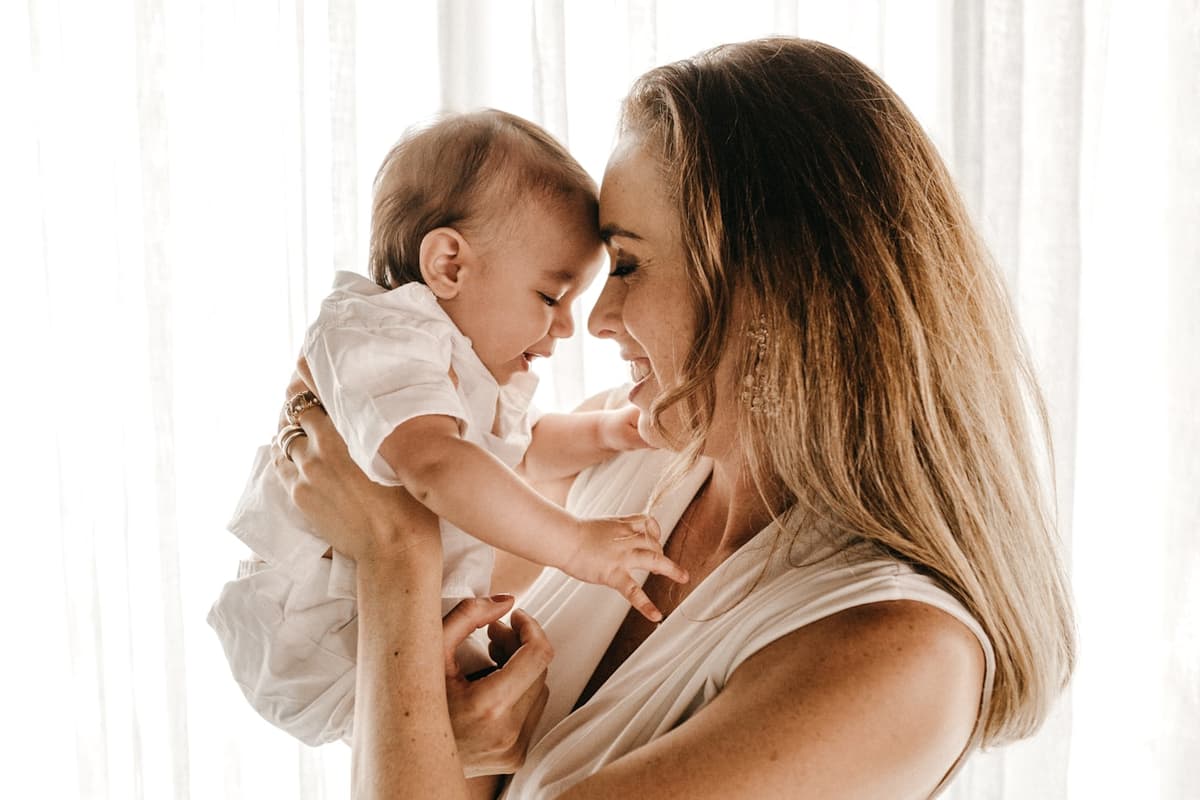
Secure attachment is what develops when a baby learns, through repetition, that the people looking after them will notice what they need and do something about it. It is built out of very ordinary moments — feeds, nappy changes, being picked up when upset — rather than out of anything special you have to set aside time for.
What does "secure attachment" actually mean?
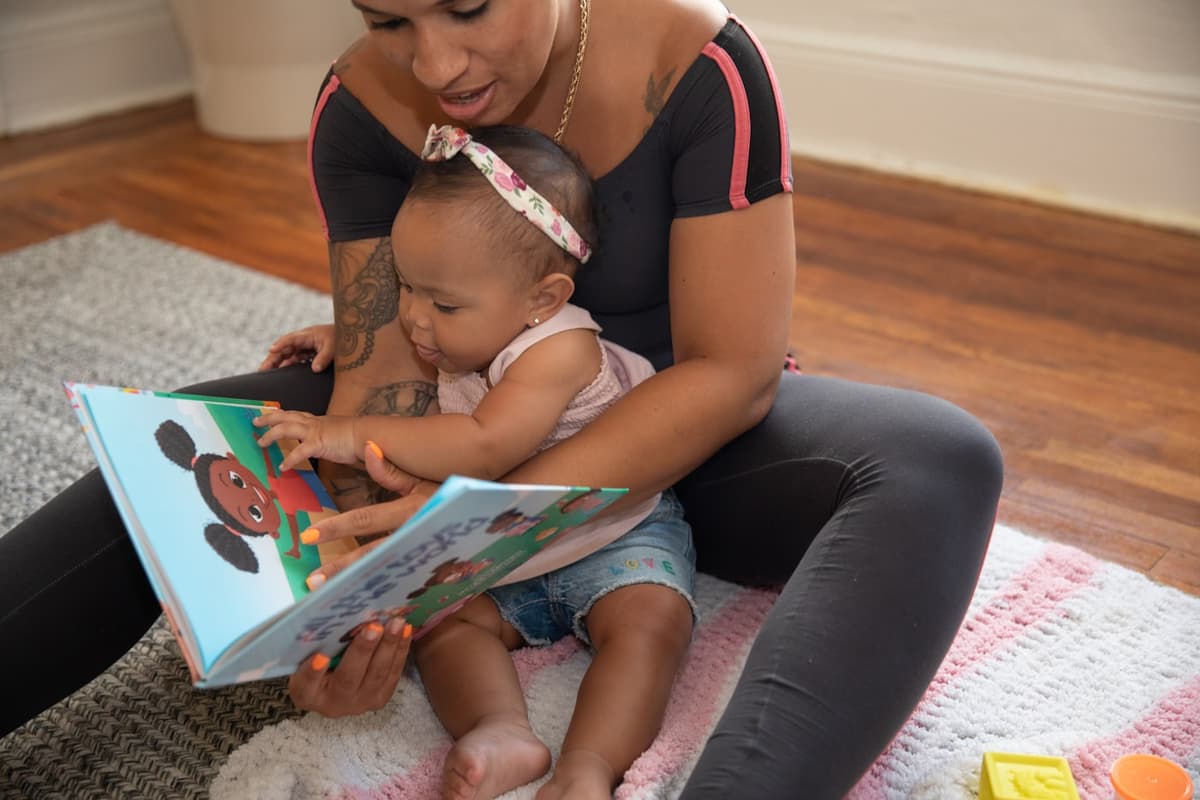
It means a baby has learned to expect a response. A securely attached baby uses their caregiver as a base: they will go and investigate a room while you are in it, come back when something startles them, and settle when you pick them up.
The mechanism is unremarkable and that is the point. A baby signals — crying, fussing, reaching, later babbling — and an adult responds. Harvard's Center on the Developing Child calls these exchanges serve and return, and describes them as central to building healthy brain architecture. Thousands of them accumulate into an expectation.
Can you spoil a baby by picking them up too much?
No. This is the most persistent myth in the area and it is worth stating plainly: responding promptly to a young baby's distress does not make them clingy, demanding or manipulative, and it does not teach them to cry more.
The opposite is closer to true. Babies whose signals are answered consistently tend to settle faster over time, because they are not escalating to be heard. A newborn has no capacity to cry strategically — the crying is the only signalling equipment they have.
What builds it, day to day?
Answering cues, reasonably consistently
Attend to crying with warmth. You do not have to be instant, and you certainly do not have to be perfect — what matters is the pattern over weeks, not any individual moment.
Face-to-face time during ordinary tasks
Eye contact, smiling and talking during a nappy change or a feed are doing the work. This is why the AAP frames responsive caregiving as something to start at the first newborn visit rather than as a separate activity.
Predictable routines
Not a rigid schedule — a recognisable shape to the day. Predictability is what lets a baby anticipate what happens next, which is where a sense of safety comes from.
Being present in the moment
A calm adult helps regulate an upset baby, because babies borrow emotional regulation from the people holding them before they develop their own.
What does secure attachment look like in practice?
You can generally see it by the second half of the first year:
- Your baby seeks you out when upset and is actually soothed by you.
- They smile, babble and hold eye contact during exchanges.
- They are visibly pleased when you come back after being away.
- They will explore a room, checking back that you are still there.
Note that separation distress appearing around 8 to 10 months is a sign the attachment is working, not a sign something has gone wrong. A baby who protests when you leave has understood that you exist when they cannot see you.
What if bonding does not feel automatic?
It very often does not, and this is under-discussed. Feeling no rush of love in the first days or weeks is common, does not predict anything about your relationship, and is not a character flaw. Attachment is built over months.
Two things are worth acting on rather than waiting out. If low mood, anxiety, or a persistent flatness towards your baby lasts more than a couple of weeks, that is worth raising with a doctor or midwife — perinatal mental health conditions are common and treatable, and they affect the caregiving relationship directly. And if your baby seems consistently withdrawn, unresponsive to faces and voices, or genuinely inconsolable, ask your paediatrician rather than reading about it.
Neither of those is a failure. Both are things clinicians see routinely and know what to do about.
Official guidance
Written by The MyBaby editorial team. How we source and review these.
MyBaby is not a medical device and does not provide medical advice, diagnosis or treatment. Always consult a qualified healthcare professional with questions about your child's health.