Baby Refusing New Foods? Count the Foods, Not the Spoonfuls
28 September 2026 · 5 min read
How many times should you offer a new food?
It can take 10 tries or more before a baby accepts a new food or texture, and the NHS adds that this is particularly true as they get older. The American Academy of Pediatrics, writing about toddlers, puts it the same way: it can take as many as 10 or more tastes of a food before a toddler's taste buds accept it. Two or three attempts is not a fair test.
The NHS also expects days when your baby eats more, days when they eat less, and days when they reject everything, and says this is perfectly normal. Judge the week, not the meal.
One caveat. Offering vegetables early and often raises how much babies accept in the short term, but the effect may not last on its own. In two randomized trials described in a 2022 review in Current Nutrition Reports, babies who started on vegetables ate more of them at first, and the difference was gone by about two years. The review's explanation is that by then the children had all met plenty of vegetables at the family table. Treat these months as the time when acceptance is cheap, not as a preference banked for life.
| Question | What the guidance says |
|---|---|
| How many tries before a baby accepts a new food? | 10 or more, particularly as babies get older (NHS) |
| Is it normal to reject everything some days? | Yes. The NHS calls it perfectly normal |
| When does picky eating start? | Neophobia typically follows between 1 and 3 years; picky eating peaks between 2 and 6 |
| Is there a window for lumpy textures? | An apparent critical period before 9 to 10 months |
| Which vegetables first? | Include ones that are not sweet, such as broccoli, cauliflower and spinach (NHS) |
| Who decides how much? | The parent leads on what, when and where; the child decides how much and whether (Satter) |
Why is seven months a good time to widen what your baby eats?
In the first year, babies are unusually open to new flavors and textures, a stage the research calls neophilia. It is most marked around the time solid foods begin. Between one and three years it is typically followed by food neophobia, a reluctance to try unfamiliar foods, and picky eating peaks between two and six. None of that means something has gone wrong: picky eating in those years is a normal developmental stage that often passes on its own. It does mean the same floret of broccoli costs far less effort this month than it will at twenty months.
Texture runs on its own clock. The same review describes an apparent critical period for introducing different textures before 9 to 10 months, and data from ALSPAC, a long-running UK birth cohort, links delayed texture progression with later feeding difficulties, including children eating a limited variety of foods. So variety means mashed, lumpy and finger foods as well as new ingredients.
Which vegetables should come first?
Bitter ones belong on the list from the start, not only sweet ones. NHS guidance is to include vegetables that are not sweet, such as broccoli, cauliflower and spinach, so your baby gets used to a range of flavors rather than only sweeter ones like carrot and sweet potato. The NHS adds that this might help prevent fussy eating as they grow up, and its 7-to-9-month list asks for bitter flavors too, with cabbage and kale among them.
The reason to spend the easy months on them: tested at 3, 6 and 12 months, babies accepted sweet and salty tastes most readily and sour and bitter tastes least, though they did not systematically reject bitter. Vegetables are disliked for their bitterness and sometimes their unfamiliar texture, and the Current Nutrition Reports review cites research that calls that dislike "hard-wired".
Variety also carries over to new foods. In one trial, babies fed a mix of vegetables (peas, potatoes and squash) for nine days went on to eat more of a food none of them had had before, pureed chicken, than babies fed only carrot or only potato.
Who decides what your baby eats, and how much?
You decide what is offered, and when and where; your baby decides how much, and whether, to eat it. The dietitian Ellyn Satter calls this the division of responsibility in feeding. For young babies, Satter's model leaves the timing to the baby, and parents take on when and where gradually, as eating becomes more regular.
The AAP says it in one line: it is a parent's responsibility to provide food, and the child's decision to eat it. Pressuring a child to eat, or punishing them when they don't, can make them actively dislike foods they might otherwise have liked, and the NHS is explicit: do not force your baby to eat. Stop when they show they have had enough, which the NHS describes as firmly closing their mouth or turning their head away. Your job at seven months is the offering, repeated calmly.
How do you add variety without cooking two dinners?
- Cook one meal. Take your baby's portion out before anything is salted. The NHS says not to add salt or sugar to a baby's food or cooking water, stock cubes and gravy included, because salty food is not good for their kidneys and sugar can cause tooth decay. The adults can season at the table.
- Change the form, not the food. A vegetable refused as a puree may be accepted later as a soft finger food, and each version is practice.
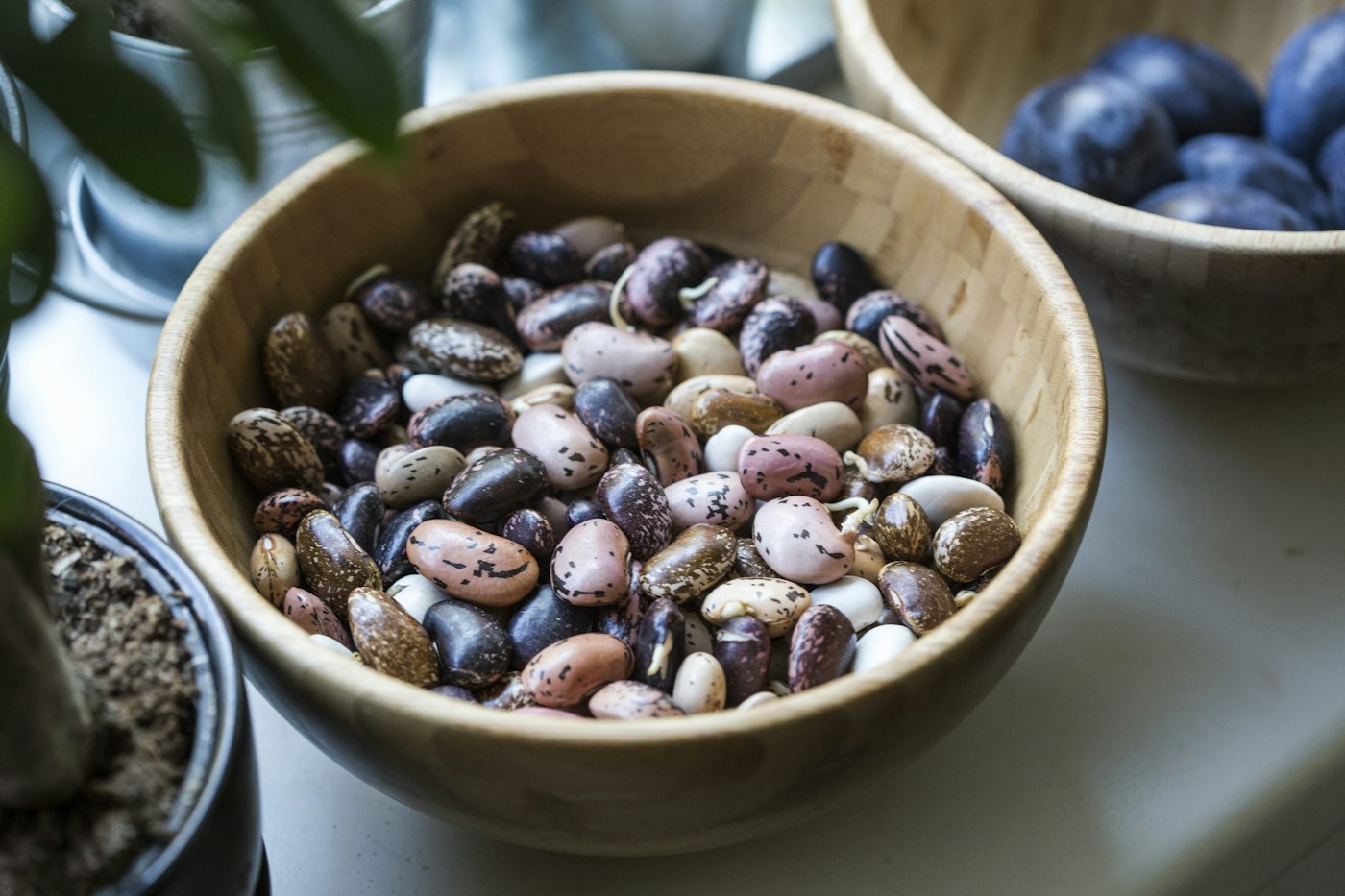
- Rotate across food groups instead of repeating a favorite. Iron matters at this age: the NHS lists meat, fish, fortified breakfast cereals, dark green vegetables, beans and lentils, and iron-rich foods are worth building meals around.
- Keep a list. Noting each new food as your baby meets it shows which groups are covered and which are not, which is hard to reconstruct from memory a month later.
When is narrow eating worth raising with a doctor?
Limited variety alongside steady growth, in an otherwise well baby, is the ordinary picture of picky eating, and it usually calls for patience rather than treatment. Contact your pediatrician or family doctor if:
- your baby is losing weight, or not gaining as expected
- gagging, coughing or apparent trouble swallowing keeps happening at meals
- lumpier textures are still being refused as you approach 9 to 10 months
- a feeding difficulty has lasted two weeks or more and is affecting how much your baby takes overall
- you are simply worried. The AAP's advice is to talk with your pediatrician, who can help troubleshoot and make sure your child is getting the nutrients they need
In the app: Introduce solids without losing track of what reacted
Official guidance
- NHS — Your baby's first solid foods
- NHS Best Start in Life — What to feed your baby: 7 to 9 months
- American Academy of Pediatrics (HealthyChildren.org) — Picky Eaters
- Current Nutrition Reports — Implementing a Vegetables First Approach to Complementary Feeding
- Nutrients — Decoding Picky Eating in Children: A Temporary Phase or a Hidden Health Concern?
- Ellyn Satter Institute — The Satter Feeding Dynamics Model
Written by The MyBaby editorial team. How we source and review these.
MyBaby is not a medical device and does not provide medical advice, diagnosis or treatment. Always consult a qualified healthcare professional with questions about your child's health.