The Pincer Grasp: When It Develops and What It Changes at Mealtimes
28 September 2026 · 5 min read
When do babies develop the pincer grasp?
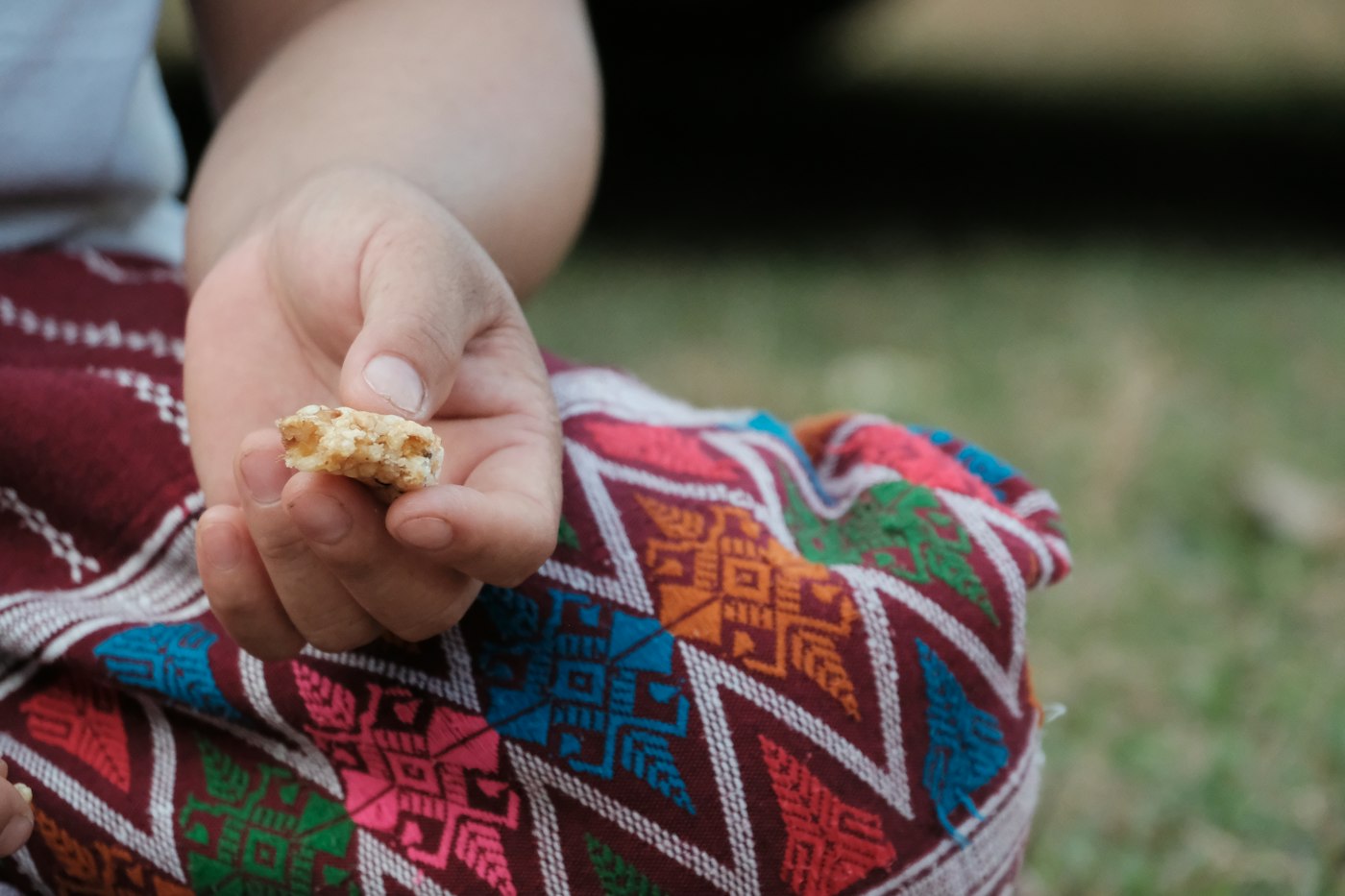
Most babies pick up small things between the thumb and pointer finger by about 12 months, after a raking stage, using the fingers to pull food toward themselves, that most reach by about 9 months. Those are the ages in the CDC's milestone checklists, which list what 75% or more of children can do by each age, so many babies get there sooner, and neither age is a deadline.
The American Academy of Pediatrics describes the change: at first a baby still clumsily "rakes" things toward themselves, and by the end of the period they grasp accurately with the thumb and first or second finger. That grip is the pincer grasp, and the AAP notes that babies practice it on any small object, "from dust balls to cereal." The same hand skills show up in play: moving things from one hand to the other and banging two things together are also on the CDC's 9-month list.
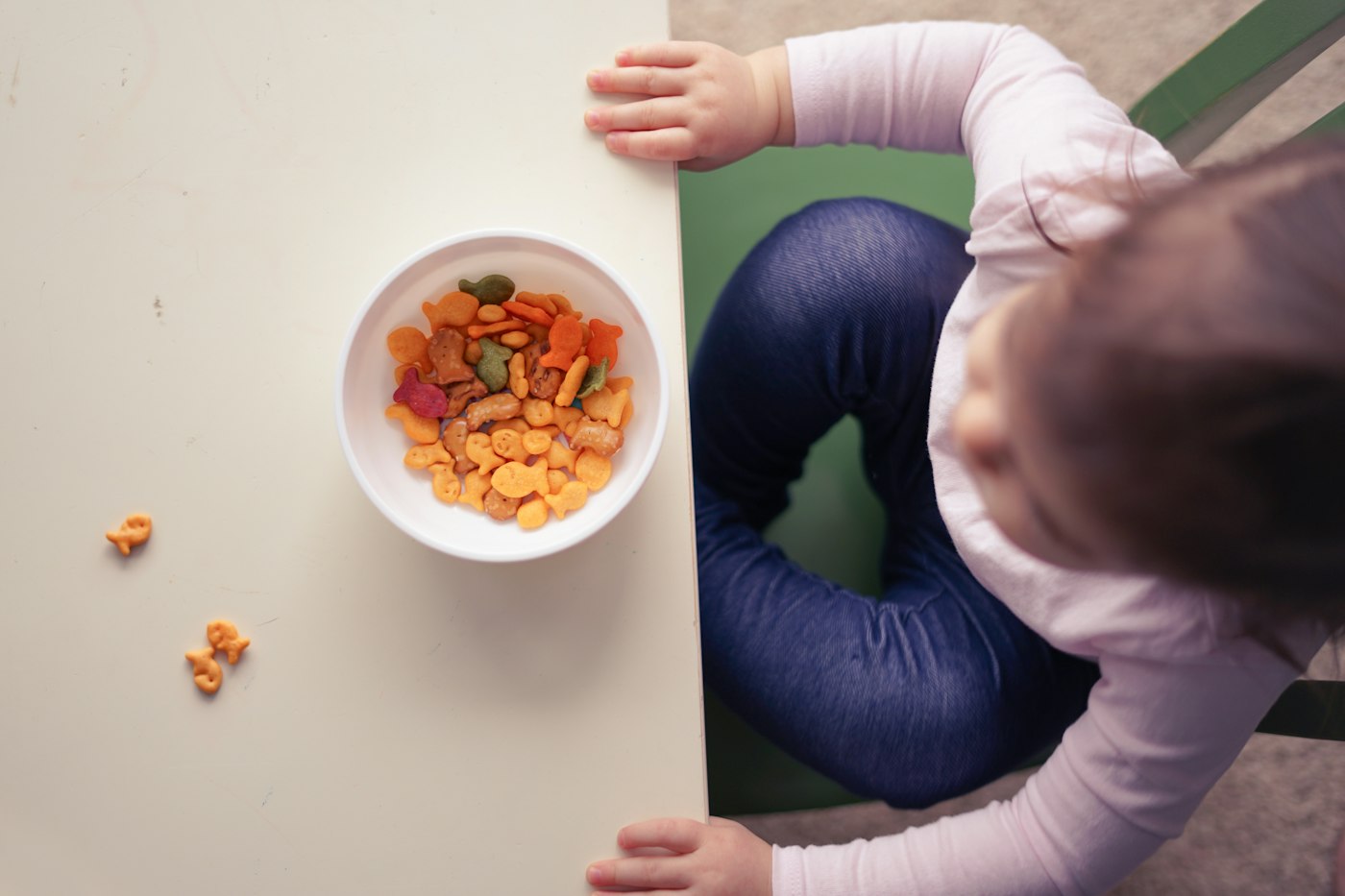
Working out which stage your baby is in takes about a minute at the high chair. Scatter a few soft pieces on the tray. A baby who rakes sweeps them toward the palm and brings the whole fist to the mouth, losing most of it on the way. A baby with a pincer grasp picks out one piece and lifts it cleanly. For the bigger movements of the same year, see rolling, sitting, crawling and standing.
How should you cut finger foods at each stage?
Two rules cover most of it. The first is soft. The AAP asks that anything you give a baby be soft, easy to swallow, and cut into small pieces. The Canadian Paediatric Society says to cook hard fruits and vegetables to soften them, and to grate raw vegetables such as carrots.
The second is shape. The CPS names the foods most likely to cause choking as small, round or cylindrical, like hot dogs, whole grapes, carrot slices, seeds and hard candy, and says to slice round foods such as hot dogs and grapes lengthwise.
Size then follows the grasp. A raking baby manages best with pieces they can close a fist around, which is why the NHS describes finger-sized pieces for babies feeding themselves. Once the pincer arrives, smaller soft pieces become possible: the CPS lists finger feeding "with a more advanced grasp" among the feeding milestones between 9 and 12 months.
| Stage | What you'll see | What helps |
|---|---|---|
| Raking, by about 9 months (CDC) | Food swept toward the palm, the whole fist to the mouth | Soft, finger-sized pieces (NHS) |
| Pincer grasp, by about 1 year (CDC) | Single small pieces lifted between thumb and finger | Small, soft pieces; round foods sliced lengthwise (AAP, CPS) |
| First spoon, 9 to 12 months (CPS) | Grabbing the spoon, aiming, missing | A spoon of their own, and a mat under the high chair (NHS) |
Some foods stay off the tray whatever the grasp. The AAP's list of foods to avoid under 1 year is hot dogs (including meat sticks), nuts and seeds, chunks of meat or cheese, whole grapes, popcorn, chunks of peanut butter, raw vegetables, fruit chunks such as apple chunks, and hard, gooey or sticky candy. The CPS adds whole nuts, raisins, gummy candies and fish with bones, and asks that you always supervise your baby while they eat and make sure they are sitting down.
When can a baby start using a spoon?
From the start of solids, if you like. The NHS's guidance for around 6 months is direct: "Give your baby a spoon and let them try feeding themselves – you might need to stick a mat under the highchair though!" If you are spoon-feeding, the NHS adds, your baby may like to hold that spoon or another one and try feeding themselves.
The CPS places "tries to use a spoon" in the 9-to-12-month range, and still describes spoon use as awkward between 12 and 18 months. So the mess is expected for a long while, and it is how the skill develops: a baby who smears, drops and misses is learning grip, distance and pressure. Taking the spoon back every time it goes wrong takes the practice away with it. A second spoon in your own hand gets food in while theirs does the learning.
How much should a baby eat once they feed themselves?
You decide what is offered; your baby decides how much of it goes in. The CPS says to follow your baby's cues for how much to feed, and to start by offering a teaspoon or two. A baby who is not hungry will turn their head and close their mouth, and babies who are allowed to follow their own hunger cues are much less likely to overeat later in life. The AAP's version is shorter: watch for cues that your child has had enough to eat, and do not overfeed.
In practice, add more rather than piling the plate high, and stop when they turn away, even with food left. A refused food is not a verdict either: it can take 10 tries or more before a baby accepts one. Over these same months the NHS expects babies to move gradually toward three meals a day, and "gradually" is the important word.
When should you mention hand skills to a doctor?
Fine motor skills arrive on a wide schedule, and most of that spread is ordinary. The CDC's advice is not to wait: if your child is not meeting one or more milestones, has lost skills they once had, or you have other concerns, talk with your child's doctor and ask about developmental screening. Things worth raising:
- Your baby is not picking up small things between thumb and pointer finger by around the first birthday, the age by which the CDC expects most children to.
- They do not move things from one hand to the other by around 9 months.
- They have lost a hand skill they used to have.
- Something about their hands has been quietly bothering you. The 9-month visit is one of three ages, with 18 and 30 months, at which the AAP recommends developmental screening for every child, so it is a natural moment to say so.
- In the US, you can call your state or territory's early intervention program yourself if you are concerned. The CDC notes that a doctor's referral is not necessary.
In the app: Introduce solids without losing track of what reacted
Official guidance
- American Academy of Pediatrics (HealthyChildren.org) — Hand and Finger Skills
- American Academy of Pediatrics (HealthyChildren.org) — Starting Solid Foods
- CDC — Milestones by 9 Months
- CDC — Milestones by 1 Year
- CDC — Developmental Monitoring and Screening
- CDC — Early Intervention
- Canadian Paediatric Society (Caring for Kids) — Feeding your baby in the first year
- NHS Best Start in Life — What to feed your baby: from around 6 months
- NHS Best Start in Life — What to feed your baby: 7 to 9 months
Written by The MyBaby editorial team. How we source and review these.
MyBaby is not a medical device and does not provide medical advice, diagnosis or treatment. Always consult a qualified healthcare professional with questions about your child's health.