How Much Water Can a 6-Month-Old Have? Amounts, Cups and Which Water
18 October 2026 · 6 min read
Can a 6-month-old have water?
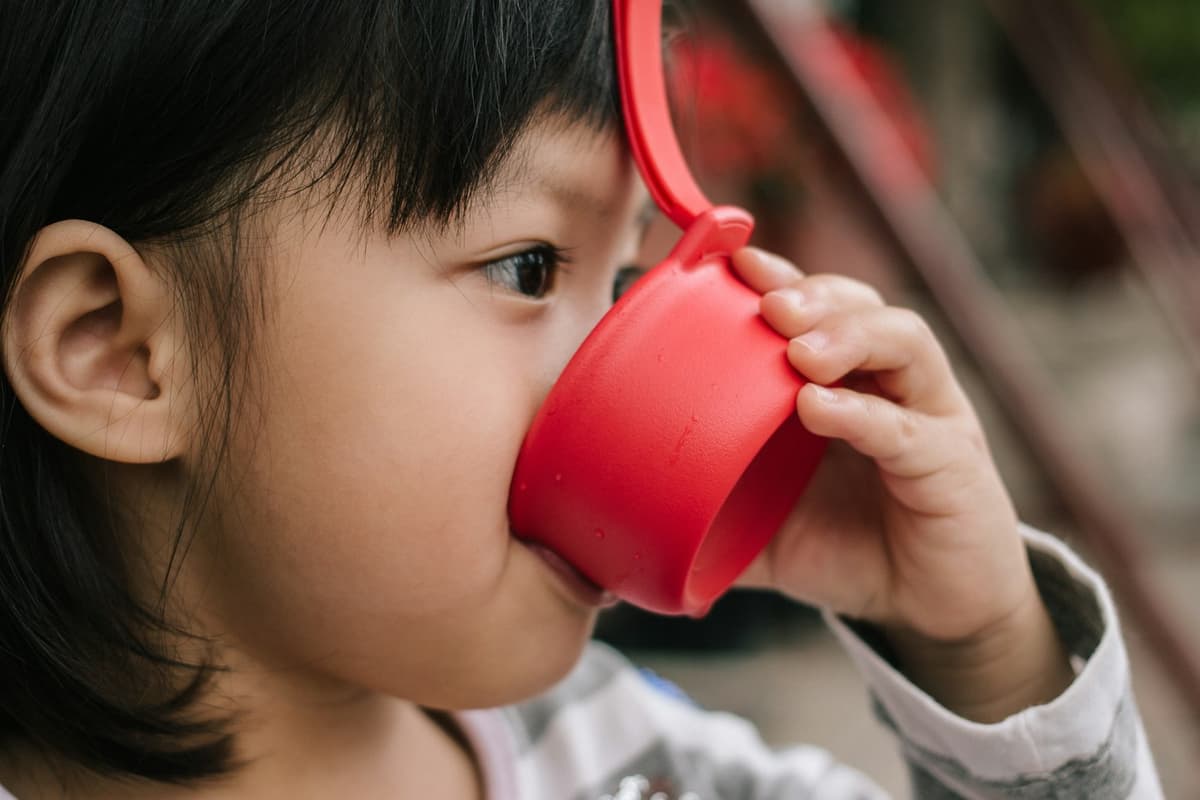
Yes, once they have started solid foods: a few sips from a cup with meals. The NHS says that once your baby has started eating solid foods, from around 6 months, you can offer sips of water from a cup or beaker with meals. The Canadian Paediatric Society says the same, and names the cup: when your baby begins to eat other foods, offer water occasionally, in an open cup.
Before 6 months, a baby on breast milk or formula does not need water. The NHS says fully breastfed babies do not need any water until they have started solids. Its one exception is hot weather, when formula-fed babies under 6 months may need small sips of cooled boiled water as well as their usual milk feeds. The American Academy of Pediatrics' water guidance starts at 6 months, and it recommends breastfeeding as the sole source of nutrition until then.
| Question | What the guidance says |
|---|---|
| When can a baby have water? | From around 6 months, once solids have started, in sips with meals (NHS) |
| How much water at 6 to 12 months? | 4 to 8 oz (about 120 to 240 ml) a day (AAP) |
| Which cup? | An open cup, or a free-flow cup without a valve (NHS) |
| Does the water need boiling? | Not after 6 months; cooled boiled water before that (NHS) |
| Water for making formula | Boiled, cooled no more than 30 minutes, still at least 70°C (NHS) |
| Juice | None under 1 year (AAP) |
| Cow's milk as a drink | From 12 months (NHS, AAP) |
How much water should a 6-month-old drink?
About 4 to 8 ounces (half a cup to one cup, roughly 120 to 240 ml) a day at most, in the AAP's guidance for 6 to 12 months, offered in an open, sippy or straw cup. That is a ceiling for the whole day, and there is no need to reach it. The AAP notes that the water a baby actually drinks at this age is unlikely to replace much breast milk or formula, and the NHS says breast milk or first infant formula stays the main drink until 12 months. How much milk a baby needs alongside solids is its own question.
Can a baby drink too much water?
Yes. Too much plain water can lower the sodium in a baby's blood to a dangerous level, a condition called hyponatremia. A 1997 report in Pediatrics described infants up to a year old admitted with seizures caused by it. It named excessive tap water given as extra feeds, overly dilute formula, and in two cases a bottled water marketed for babies.
A few sips with a meal is nowhere near that. Water should not be used to stretch formula, fill a baby up between feeds, or replace a milk feed.
Which cup is best for a baby: open cup, free-flow or sippy?
An open cup, or a cup with a free-flow lid and no valve. The NHS says an open cup or a free-flow cup without a valve helps your baby learn to sip and is better for their teeth, and that a free-flow lid is better than a bottle or a beaker with a teat because it teaches sipping rather than sucking.
The AAP explains what is wrong with the valve: many sippy cups have one under the spout to stop spills, but a child has to suck to get anything out, which is just like drinking from a baby bottle. If you want a lid, it says to choose one with no valve and a simple spout. A sippy cup is optional. The AAP notes many children go from breast or bottle straight to a regular cup.
Teeth are the other reason. Early childhood caries happen when a child's teeth are constantly bathed in milk, formula, juice or other drinks, in the AAP's description, and the AAP adds that children who drink from bottles well into their second year may have tooth alignment problems and even speech delays. It also says a sippy cup should only ever hold plain water.
The bottle has an end date, and moving off it goes best one bottle at a time. The NHS says feeding from a bottle should be discouraged once your baby is 1. The AAP suggests offering a cup from about 6 months and completing the move off bottles between 12 and 18 months, and says it is healthiest for children to drink from an open cup by about 2 years of age.
How do you teach a baby to drink from an open cup?
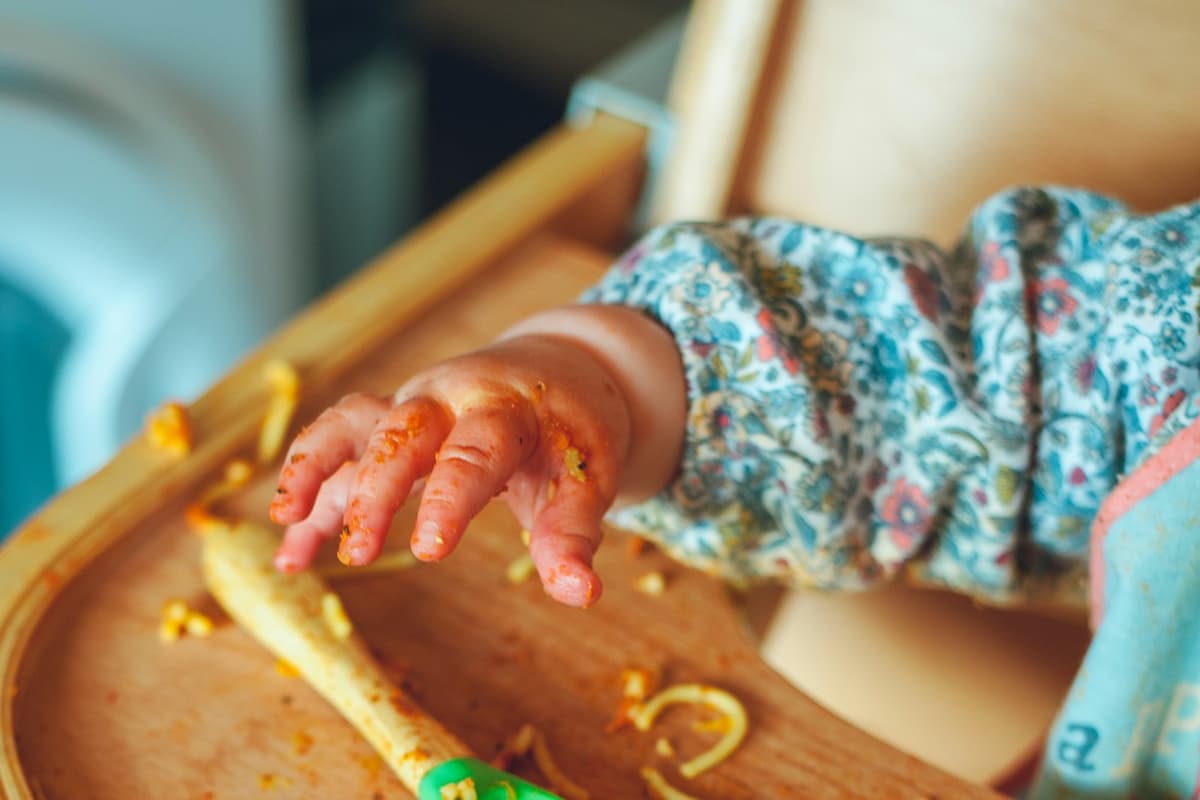
Use a small cup with a finger's depth of water, so a spill stays small. Offer it at the meal with your baby sitting upright, steady the base and tip it slowly, then let them bring it to their own mouth. For the first few weeks most of the water will end up on their chin, the tray and the floor. The NHS says it might be messy at first and to be patient: your baby will gradually learn.
Does water for a baby need to be boiled?
Not after 6 months. The NHS says drinking water for babies over 6 months does not need to be boiled first, while water offered to younger babies should be cooled boiled water. Rules on tap water vary by country, so your local health service has the final word.
Formula has its own rule. The NHS says to use fresh tap water, boil it, and leave it to cool for no more than 30 minutes, so it is still at least 70°C when it meets the powder, a temperature that kills any harmful bacteria. It does not usually recommend bottled water for making up formula, because it is not sterile and may contain too much salt (sodium) or sulphate.
What else can a baby drink besides milk and water?
Nothing else is needed before 1. What guidance says about the rest:
- Juice: the AAP says infants under 1 year should not drink it. The NHS says babies under 12 months do not need fruit juice or smoothies, and if you give them, to dilute them one part juice to 10 parts water and keep them to mealtimes. The CPS says too much juice can cause diarrhea, fill up a small stomach so your baby eats less, and cause tooth decay.
- Babies should not be offered sugary drinks such as soda or energy drinks, the CPS says. The NHS says squash, flavoured milk, "fruit" or "juice" drinks and fizzy drinks are not suitable for young babies, even diluted.
- Flavored milks contain added sugars, which the AAP says should be avoided under 2. It also says that the health risks of stevia and artificial sweeteners in children are not well understood; and that toddler milks are unnecessary and contain added sugars that fill a baby up instead of healthier food.
- Cow's milk is not a main drink until 12 months, per both the NHS and the AAP. What changes at 12 months covers the switch.
When should you call a doctor about water?
- Your baby has had a lot of plain water and seems unwell: vomiting, unusually sleepy or hard to wake. A seizure is an emergency; call for help immediately.
- You are thinking of diluting formula or adding extra water to make it last. Speak to a health professional first.
- Your baby is under 6 months and you think they need water, in hot weather or otherwise.
- Milk feeds drop off noticeably after you start offering water.
In the app: Introduce solids without losing track of what reacted
Official guidance
- NHS — Drinks and cups for babies and young children
- American Academy of Pediatrics (HealthyChildren.org) — Recommended Drinks for Children Age 5 and Younger
- American Academy of Pediatrics (HealthyChildren.org) — From Bottle to Cup: Helping Your Child Make a Healthy Transition
- Canadian Paediatric Society (Caring for Kids) — Feeding your baby in the first year
- NHS — How to make up baby formula
- Pediatrics — Hyponatremic seizures secondary to oral water intoxication in infancy (Bruce & Kliegman, 1997)
Written by The MyBaby editorial team. How we source and review these.
MyBaby is not a medical device and does not provide medical advice, diagnosis or treatment. Always consult a qualified healthcare professional with questions about your child's health.