When Do Babies Start Teething? Signs, Fever and the Order Teeth Come In
· 6 min read
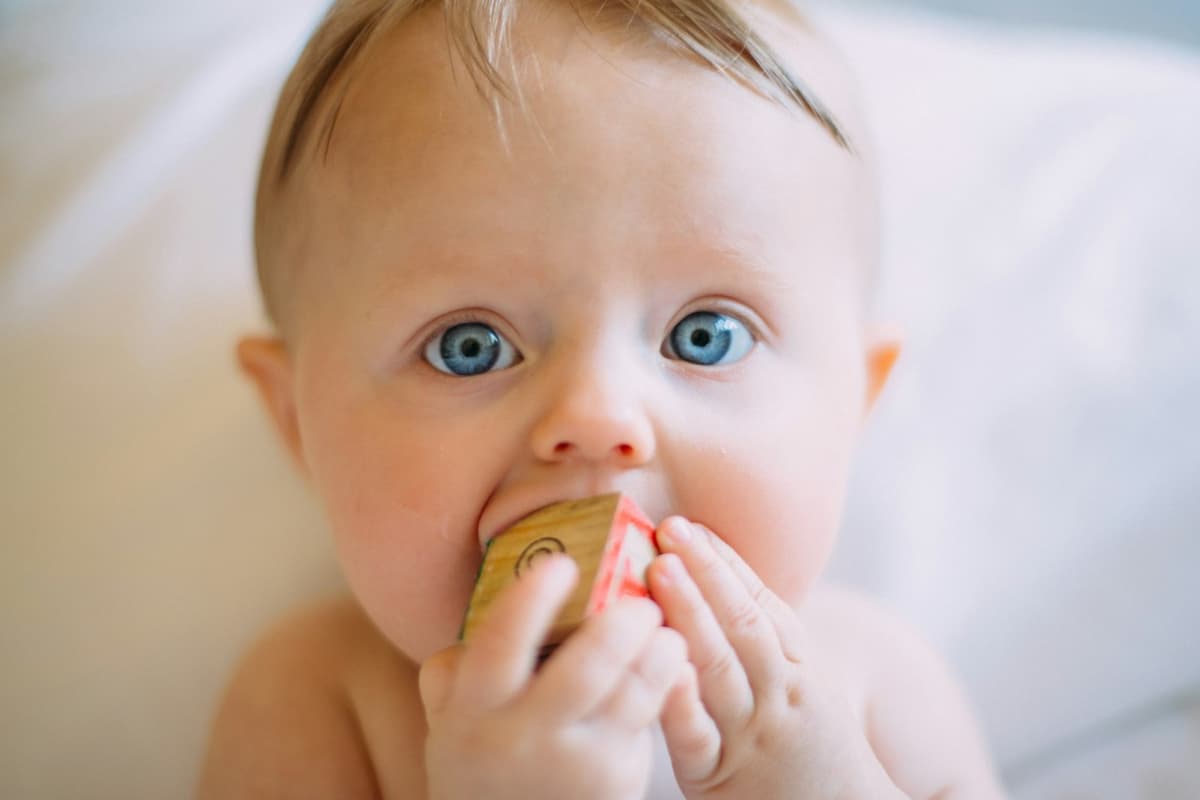
When do babies start teething?
Most babies start teething at around 6 months, the NHS says, while some start before they are 4 months old and some after 12 months. The American Academy of Pediatrics (AAP) says babies typically start teething by about 4 to 7 months old, and that the timing varies a lot.
The AAP says the first teeth to come in are almost always the lower central incisors, and the NHS says bottom teeth often come through before the matching top teeth. The American Dental Association (ADA) gives a range for each tooth; the NHS calls its ages a rough guide.
| Teeth | ADA chart | NHS guide |
|---|---|---|
| Central incisors (front teeth) | Lower 6 to 10 months, upper 8 to 12 months | Around 6 months |
| Lateral incisors (either side of the front teeth) | Upper 9 to 13 months, lower 10 to 16 months | Around 8 months |
| First molars | Upper 13 to 19 months, lower 14 to 18 months | Around 12 months |
| Canines | Upper 16 to 22 months, lower 17 to 23 months | Around 18 months |
| Second molars | Lower 23 to 31 months, upper 25 to 33 months | Around 24 months |
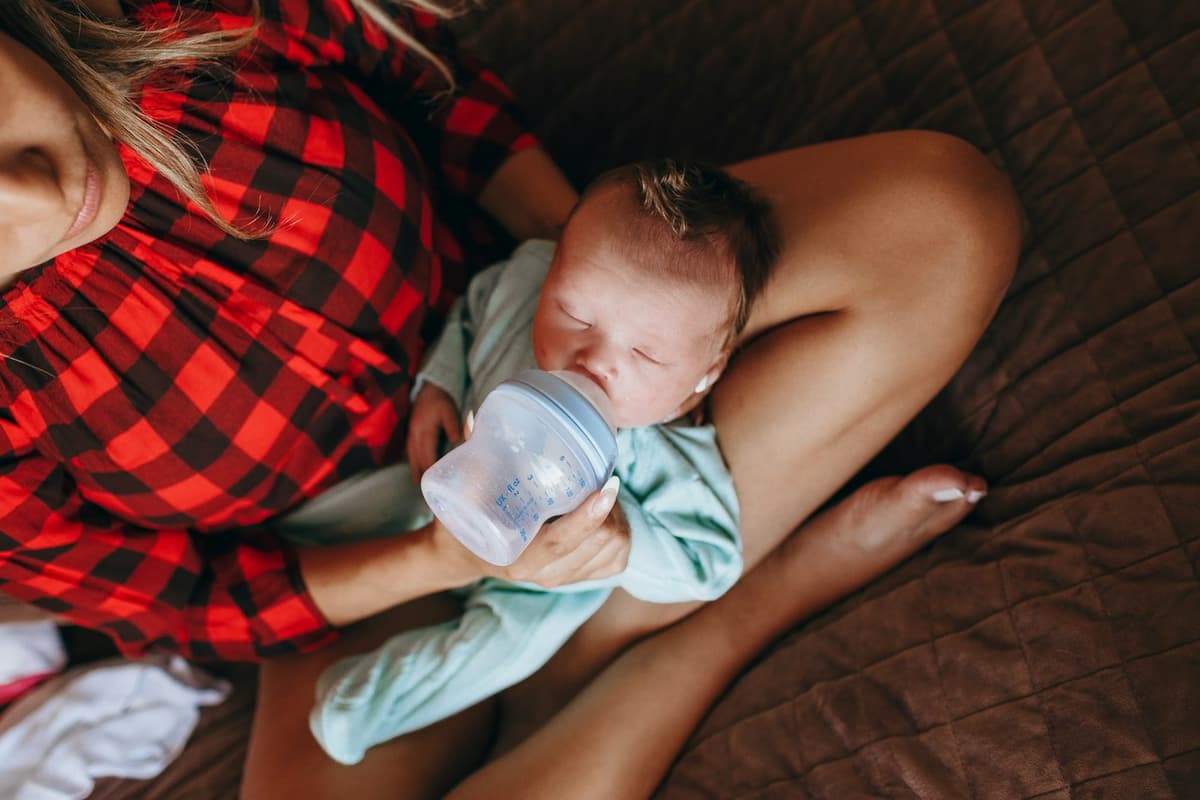
Brushing starts with the first tooth: the AAP recommends brushing twice a day with a smear of fluoride toothpaste the size of a grain of rice. The AAP also says never to let your baby fall asleep with a bottle, as the guide to stopping the bottle explains.
What are the signs of teething?
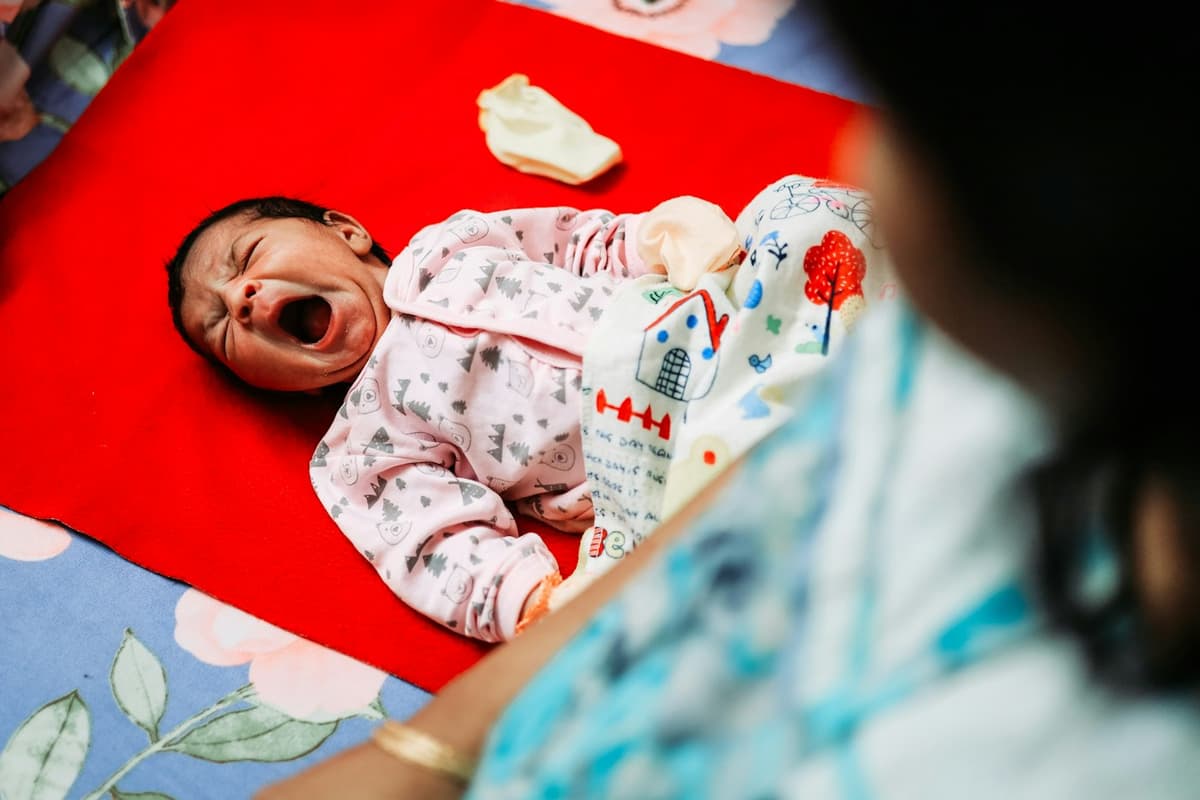
Sore or swollen gums, extra drooling, chewing on things, mild fussiness and a slight rise in temperature are signs of teething that both the AAP and the NHS describe.
The NHS's list adds one flushed cheek, a rash on the face, rubbing an ear and not sleeping very well. For typical sleep by age, see how much babies sleep.
A 2016 meta-analysis in Pediatrics by Massignan and colleagues pooled 16 studies of 3,506 children aged 0 to 36 months and found an overall prevalence of signs and symptoms during tooth eruption of 70.5%. Gum irritation, irritability and drooling were the most frequent.
Some babies show no signs: the AAP says many children have no problems at all when their teeth come in.
Does teething cause a fever, diarrhea or a rash?
Teething does not cause a true fever, according to the AAP, and the NHS says there is no evidence that it causes diarrhea. A slightly raised temperature and a rash on the face are on the NHS's list of teething symptoms.
Citing a 2016 study in Pediatrics, the AAP says a true fever, over 100.4°F (38°C), is not associated with teething and is a sign of an illness or infection that may need treatment. The Massignan meta-analysis concluded that eruption could lead to a rise in temperature that was not characterized as fever.
The NHS describes a teething temperature as slightly raised but less than 38°C (100.4°F), while the AAP's page on when teething starts sets the line at 101°F (38.3°C).
The NHS says gently wiping your baby's face may help prevent a rash when teething makes them dribble more than usual. The AAP lists repeated vomiting or diarrhea with a fever among the reasons to call the doctor right away.
Can a 3- or 4-month-old be teething?
Yes, some babies start teething before 4 months: the NHS says that while most start at around 6 months, some start before they are 4 months old, and some are even born with teeth.
Around 3 months, the AAP says, babies begin exploring the world with their mouth, have increased saliva and put their hands in their mouth, which leads many parents to wonder about teething, though a first tooth usually appears around 6 months.
A first tooth can also come late. The NHS says some babies start teething after 12 months, and the AAP says some may not have any teeth by their first birthday, that timing may be influenced by heredity, and that a later start does not mean anything is wrong.
The AAP says your pediatrician checks your baby's teeth and gums at well-child visits, and it recommends a first dental visit within 6 months of the first tooth and no later than 12 months of age.
How long does teething last?
Teething lasts until about age 2 to 3: the NHS says most children have all their milk teeth by then, and the U.S. Food and Drug Administration (FDA) says that, on average, children have a total of 20 baby teeth by 3 years of age.
The NHS says baby teeth sometimes come through with no pain or discomfort, or with only mild symptoms that last a few days.
The AAP says the front teeth come first, then the first molars, then the canines. On the ADA's chart, the last baby teeth to arrive are the upper second molars, at 25 to 33 months. The guide to dropping to one nap covers teething and other causes of broken toddler sleep.
What helps teething pain, and what should you avoid?
The AAP and the FDA suggest rubbing your baby's gums with a clean finger or offering a firm rubber teething ring, and both warn against teething gels, homeopathic teething tablets and teething necklaces.
The FDA says the teether should not be liquid-filled, and that you should supervise your baby so they do not choke on it.
The FDA warns that medicines containing benzocaine or lidocaine for children's gums, and homeopathic teething tablets, can be dangerous to children and can lead to serious injury, and even death.
- Teething gels and creams. The FDA says benzocaine can cause methemoglobinemia, a sometimes fatal condition that greatly reduces the oxygen-carrying capacity of red blood cells, and the AAP says never to use teething gels to numb the gums. The NHS is less absolute: it says there is a lack of evidence that teething gels are effective and recommends trying teething rings or other options first.
- Homeopathic teething tablets. The AAP says they provide no benefit and in some cases have been made with potentially harmful toxins, and the NHS says homeopathic products are not recommended for teething.
- Teething necklaces and other teething jewelry. The FDA has received reports of death and serious injuries, including strangulation and choking, caused by teething jewelry such as amber teething necklaces, and the AAP says amber necklaces do nothing to relieve pain.
- Frozen teethers. The AAP says teethers you freeze tend to get too hard and can cause more harm than good, and the FDA and the NHS both say a teething ring should not be frozen.
If your baby is clearly uncomfortable, the AAP says to talk with your pediatrician about pain relief and ask for the right dose for your baby's age and weight. The NHS says to speak to a GP or pharmacist if you are not sure.
When should you call your pediatrician about teething?
Call your pediatrician if your baby has a fever higher than 101°F (38.3°C), seems particularly miserable or shows any of the signs below; the AAP says a fever that high is probably not from teething.
- Younger than 3 months (12 weeks) with a temperature of 100.4°F (38°C) or higher. The AAP says to call your child's doctor right away.
- A fever in a baby who looks very ill, is unusually drowsy or is very fussy, or a fever with repeated vomiting or diarrhea, an unexplained rash, breathing difficulty or a seizure. The AAP says to call right away.
- A temperature that rises above 104°F (40°C) repeatedly, at any age. The AAP says to call right away.
- A fever that lasts more than 24 hours in a child younger than 2 years, in the AAP's guidance.
- Any symptom that worries you. The NHS says to get medical advice for any symptoms causing you concern.
In the app: Every visit, vaccination and illness in one place
Official guidance
- NHS — Baby teething symptoms
- NHS — Tips for helping your teething baby
- American Academy of Pediatrics (HealthyChildren.org) — When Does Teething Start?
- American Academy of Pediatrics (HealthyChildren.org) — Baby's First Tooth: 7 Facts Parents Should Know
- American Academy of Pediatrics (HealthyChildren.org) — Fever: When to Call the Pediatrician
- U.S. Food and Drug Administration — Safely Soothing Teething Pain in Infants and Children
- American Dental Association (MouthHealthy) — Primary Tooth Development
- Massignan et al., Pediatrics (2016) — Signs and Symptoms of Primary Tooth Eruption: A Meta-analysis
Written by The MyBaby editorial team. How we source and review these.
MyBaby is not a medical device and does not provide medical advice, diagnosis or treatment. Always consult a qualified healthcare professional with questions about your child's health.